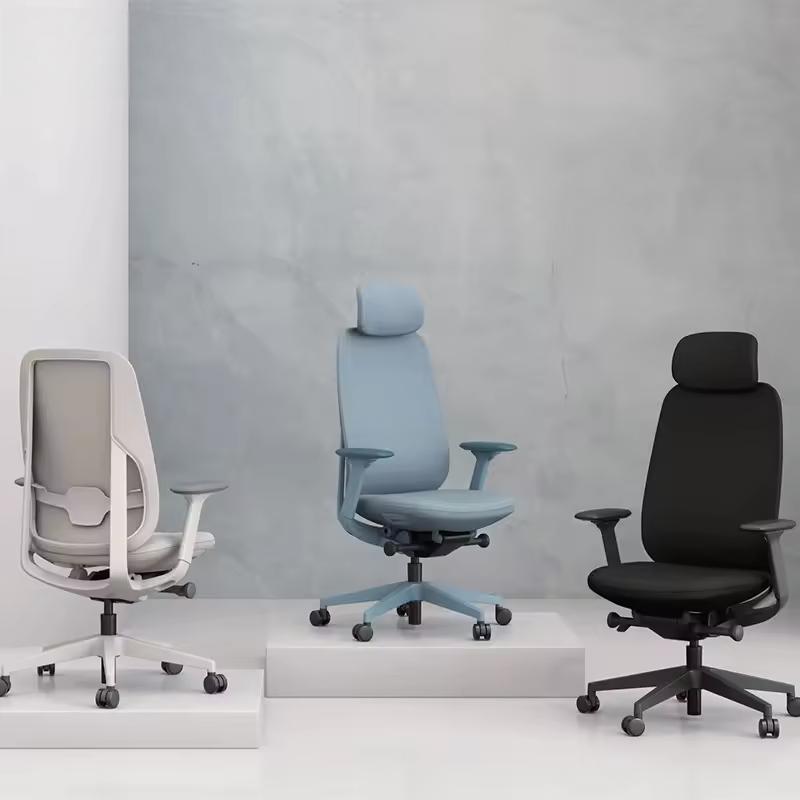
Spending $1,500 or more on an office chair feels like a major decision. Herman Miller dominates conversations about premium ergonomic seating, but the price tag raises an obvious question: Is it actually worth the money?
The honest answer: it depends on your situation. Herman Miller chairs deliver genuine quality, exceptional build, a 12-year warranty, proven ergonomic design, and strong resale value. For professionals sitting 8+ hours daily who prioritize longevity and can absorb the cost, Herman Miller represents a solid investment.
However, for most home office workers, the core ergonomic benefits that protect their back and improve posture are available at a fraction of the price. The $1,000+ premium buys brand prestige, slightly better materials, and a longer warranty, not dramatically better back support.
This breakdown covers what makes Herman Miller expensive, what you actually need for ergonomic support, who should buy premium, and when value alternatives make more sense.
What Makes Herman Miller Chairs Expensive
The Legitimate Strengths
Herman Miller deserves credit for genuine quality. Dismissing the brand entirely would be dishonest.
Build Quality and Materials: Herman Miller uses premium-grade materials throughout construction. The Aeron's 8Z Pellicle mesh, the Embody's pixelated back support, and overall manufacturing precision justify part of the premium. These chairs undergo rigorous testing and quality control that cheaper alternatives cannot match.
12-Year Warranty: Few competitors offer this coverage level. Herman Miller backs parts, labor, and even mesh material for over a decade. This warranty reflects confidence in durability and provides genuine peace of mind for buyers concerned about long-term value.
Proven Longevity: Many Herman Miller chairs last 15-20 years with proper care. The resale market confirms this, used Aerons and Embodys sell for 50-70% of retail price years after purchase. Few office chairs hold value this well.
Research-Backed Ergonomics: Decades of human-centered research inform Herman Miller designs. The Embody was developed with physicians and physical therapists. This expertise produces chairs that genuinely support spinal health during extended sitting.
The Premium Tax Elements
Not everything in that price tag delivers proportional value. Brand prestige and design award recognition contribute to pricing. Marketing costs required to maintain premium positioning add overhead. Corporate contract pricing structures assume enterprise budgets. And yes, the status symbol factor for office aesthetics plays a role.
The question becomes: which of these factors actually matter for YOUR back and YOUR budget?
What You Actually Need for Ergonomic Support
Ergonomic benefits come from specific adjustable features, not brand names. Your back requires certain support mechanisms regardless of what logo sits on the chair.
Adjustable Lumbar Support: Height and depth adjustment to match your spine's natural curve. This single feature matters more than any other for lower back health. Without proper lumbar positioning, even expensive chairs fail to protect your spine.
Seat Height and Depth: Proper alignment keeps feet flat and thighs supported without cutting off circulation behind your knees. Adjustable seat depth accommodates different leg lengths.
Armrest Adjustability: Multi-directional armrests reduce shoulder and neck strain during long typing sessions. Arms should rest at approximately 90 degrees without forcing shoulders up or down.
Recline and Tilt Control: Movement throughout the day reduces spinal pressure. Tilt tension matching your body weight allows natural shifting between positions.
Breathable Materials: Mesh or quality fabric prevents overheating during extended sitting sessions.
The Key Insight: These features exist across many price points. A $400 chair with full adjustability provides the same ergonomic function as a $1,500 chair with identical adjustment ranges. The premium buys refinement, durability, and brand, not fundamentally different back support.
For a complete breakdown of evaluating these features, see our guide on how to choose an ergonomic chair.
When Herman Miller Makes Sense
Some users genuinely benefit from premium investment. Respecting this reality builds an honest perspective.
You sit 10+ hours daily: Extreme usage justifies maximum durability and warranty coverage. The 12-year warranty and 15+ year lifespan deliver genuine value for power users who push chairs to their limits.
Budget allows without strain: If $1,500+ represents a comfortable expense rather than a financial stretch, the quality justifies the investment. Premium materials and construction do provide a better experience for those who can afford it.
You prioritize resale value: Planning to upgrade or relocate? Herman Miller chairs recover significant resale value. Budget chairs typically have zero resale value when you move on.
You prefer specific premium materials: The feel of 8Z Pellicle mesh or the Embody's pixelated support system genuinely differs from mid-range alternatives. Some users notice and appreciate this difference daily.
Corporate or professional settings: Client-facing offices benefit from the visual credibility and proven reliability of recognized premium brands.
For this segment of buyers, Herman Miller delivers on its promises. The chairs are genuinely excellent, and the investment pays off over years of heavy use.
When Alternatives Make More Sense
Most searchers asking "are Herman Miller chairs worth it?" fall into a different category. They want permission to choose wisely without overspending.
You work 4-8 hours daily: Standard remote work schedules get full ergonomic benefit from mid-range chairs. The durability gap matters less with moderate use patterns.
Budget matters: That $1,000+ price difference could fund a standing desk, monitor arms, keyboard tray, or other workspace improvements with immediate productivity impact.
You prioritize function over brand: If you care about back support more than brand recognition, quality ergonomic chairs at $300-$600 deliver the adjustability your spine actually needs.
Home office aesthetics differ from corporate: Premium office furniture was designed for corporate environments. Your home workspace might benefit from a different styling that blends with living spaces.
You cannot test before buying: Spending $1,500+ on a chair you have never sat in carries real risk. Lower-priced options with good return policies reduce that exposure significantly.
The Math: A $400 quality ergonomic chair used 8 hours daily for 7 years costs approximately $0.02 per hour. The ergonomic support during that time matches what premium chairs provide. The question becomes: what does the extra $1,000 actually buy you?
Quality Alternatives by Budget
Quality ergonomic chairs with full adjustability, proper lumbar support, and durable construction exist at every budget level.
Budget Range ($150-$250)
|
Model |
Price |
Key Strength |
|
Koorbiir A100 |
$189.99 |
Core ergonomics at entry price |
|
Koorbiir S400 |
$199.00 |
Enhanced adjustability range |
Best for: First home office setup, hybrid workers, budget-conscious buyers seeking legitimate ergonomic support without compromise on fundamentals.
Mid-Range ($250-$450)
|
Model |
Price |
Key Strength |
|
Koorbiir C200 |
$229.99 |
Improved lumbar system |
|
Koorbiir S101 |
$359.99 |
Full adjustability suite |
|
Koorbiir C300 |
$369.99 |
Premium mid-range features |
Best for: Full-time remote workers seeking reliable daily comfort. This tier satisfies most home office requirements without approaching premium pricing.
Premium Value ($450-$700)
|
Model |
Price |
Key Strength |
|
Koorbiir S102 |
$559.99 |
Advanced lumbar, long-hours focus |
|
Koorbiir S103 |
$569.99 |
Executive leather with massage |
Best for: Professionals logging serious desk hours, users with existing back issues, and those wanting premium features without premium brand pricing.
The Refurbished Middle Ground
For buyers set on Herman Miller but hesitant about full retail pricing, refurbished options present a compromise.
What Refurbished Offers: Savings of 40-60% over new retail pricing make premium quality more accessible. Many sellers provide multi-year warranties. Quality refurbishment replaces worn components like cylinders and armrests.
What to Watch: Verify seller authenticity and warranty terms before purchasing. Check the cylinder, mesh, and armrest condition carefully. Confirm the return policy protects you. Inspect for counterfeit indicators, including serial numbers and brand marks.
The Catch: A refurbished Aeron at $500-$600 still costs more than a new quality ergonomic chair with full adjustability. The value calculation depends on how much brand and specific materials matter to you personally.
How to Decide What Fits Your Situation
Hours per day: Under 6 hours favors value options. Over 8 hours justifies premium consideration.
Budget comfort: Does $1,500 feel like a stretch or a reasonable expense? Financial strain changes the calculation entirely.
Longevity expectations: Planning to use this chair for 15+ years? Premium durability matters. Upgrading in 5-7 years? Mid-range suffices.
Feature priorities: Do you need specific Herman Miller features like 8Z mesh or Embody pixel support? Or will standard ergonomic adjustability serve your needs equally well?
Testing access: Can you try before buying? Without testing, lower-cost options with return policies reduce risk substantially.
Your Back Deserves the Right Support
Herman Miller makes genuinely excellent chairs. The build quality, warranty, and ergonomic research behind their products are real and proven. Whether that excellence requires a $1,500+ price tag depends entirely on your situation.
For heavy users with comfortable budgets, Herman Miller delivers on its promises. For most home office workers, quality ergonomic chairs at $300-$600 provide the same back support and adjustability without the premium price tag.
Your spine needs proper support. How much you spend getting that support is a personal calculation, not a brand decision.
Exploring your options? Browse our ergonomic chair collection for quality alternatives at every budget level.
Frequently Asked Questions
Why are Herman Miller chairs so expensive?
Premium materials, decades of ergonomic research, 12-year warranty coverage, precise manufacturing, and brand positioning all contribute. You pay for genuine quality plus brand prestige.
How long do Herman Miller chairs last?
With proper care, 10-20 years. The 12-year warranty reflects this expected longevity. Many users report chairs lasting well beyond warranty coverage.
Are refurbished Herman Miller chairs worth it?
Often yes, if purchased from reputable sellers with warranty coverage. Savings of 40-60% make premium quality more accessible. Verify authenticity and component condition before buying.
Can I get similar ergonomic support for less money?
Yes. The core adjustable features that protect your back, lumbar support, seat adjustment, and armrest positioning exist across many price points. Premium brands add refinement and durability, not fundamentally different ergonomics.

Leave a comment
This site is protected by hCaptcha and the hCaptcha Privacy Policy and Terms of Service apply.