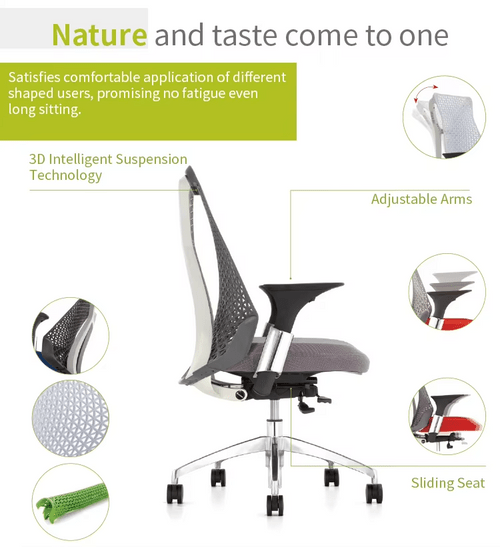
Meta Description: Learn professional ergonomic chair maintenance techniques that extend lifespan from 5 to 10+ years. Covers cleaning schedules, component replacement, troubleshooting, and cost-saving strategies for home and office chairs.Office chairs last 5-10 years on average, but the actual lifespan depends heavily on build quality, usage intensity, and maintenance practices. Entry-level chairs deteriorate within 1-3 years under daily use, while mid-range chairs achieve 5-7 years, and premium options reach 7-15 years with proper care. The difference between premature failure and decade-long performance often comes down to implementing systematic maintenance—costing $100-150 over 10 years versus $600-900 for multiple replacement purchases.Koorbiir designs chairs with standardized, replaceable components enabling straightforward DIY maintenance and repairs. Understanding proper cleaning techniques, lubrication schedules, and component replacement timelines transforms chair ownership from disposable consumption to long-term investment, reducing both financial costs and environmental waste.Quick Answer: How Often Should You Maintain an Ergonomic Chair?Weekly dusting and spot cleaning, monthly deep cleaning with mild soap and water, quarterly lubrication of casters and mechanisms, and semi-annual bolt tightening extend chair lifespan significantly. Gas cylinders typically require replacement after 6-10 years ($30-50), casters every 3-5 years ($15-30), and armrest padding every 4-6 years ($20-40). Total maintenance investment of $100-150 over a decade prevents $300-600 in replacement chair purchases.Koorbiir's repair-friendly architecture prioritizes accessible components with standardized sizes—gas cylinders, casters, and armrests replace without specialized tools, reducing maintenance barriers for average users.Understanding Chair Component LifecyclesCritical Wear Points and Replacement TimelinesGas Cylinder (Pneumatic Lift): The most common failure point, accounting for 40% of chair disposal decisions. Gas cylinders last 6-10 years depending on usage frequency and weight load. Signs requiring replacement include gradual sinking during use, inability to hold adjusted height, or complete loss of height adjustment. Replacement cost: $30-50 for Class 3-4 cylinders.Casters (Wheels): Experience constant friction wear against flooring. Hard floor casters last 3-5 years, while carpet casters degrade faster from fiber entanglement. Replacement indicators include cracked wheels, flat spots causing bumpy rolling, seized axles, or excessive noise. Replacement cost: $15-30 for 5-wheel sets.Armrest Padding: Polyurethane foam and vinyl covering compress and tear over 4-6 years from forearm pressure and elbow contact. Replacement necessary when padding no longer provides cushioning or covering splits. Replacement cost: $20-40 per pair.Mesh Backrest: High-quality mesh (like Koorbiir employs) lasts 8-10 years under normal use through 50,000+ sit cycles. Cheaper mesh sags or tears within 3-5 years. Replacement rarely necessary if proper cleaning prevents material degradation.Tilt Mechanism: Premium mechanisms last 10+ years, budget versions 5-7 years. Most failures stem from lack of lubrication rather than structural failure. Replacement cost: $40-80 depending on complexity.Component Lifespan Comparison Table
Koorbiir's mid-tier positioning delivers component longevity approaching premium brands at accessible pricing, with BIFMA certification ensuring structural durability matching higher-priced alternatives.Comprehensive Maintenance ScheduleDaily Care (30 Seconds)Habit formation prevents 80% of chair damage:
|
Component
|
Budget Chairs
|
Mid-Tier (Koorbiir)
|
Premium Chairs
|
Replacement Cost
|
|---|---|---|---|---|
|
Gas Cylinder
|
3-5 years
|
6-8 years
|
8-10 years
|
$30-50
|
|
Casters
|
2-3 years
|
3-5 years
|
5-7 years
|
$15-30
|
|
Armrest Pads
|
2-4 years
|
4-6 years
|
6-8 years
|
$20-40
|
|
Mesh Backrest
|
3-5 years
|
8-10 years
|
10+ years
|
$80-150
|
|
Tilt Mechanism
|
3-5 years
|
7-10 years
|
10-15 years
|
$40-80
|
|
Frame Structure
|
5-7 years
|
10+ years
|
15+ years
|
Not replaceable
|
- Avoid sitting on armrests (causes 40% of breakages and warranty voids)
- Don't spin excessively (wears bearing mechanisms prematurely)
- Keep food and drinks away (liquid damage destroys mechanisms and voids warranties)
- Use proper sitting posture (reduces stress on recline mechanism and lumbar adjustment)
- Vacuum mesh backrest: Use soft brush attachment to remove dust, hair, and debris that accumulates in mesh weave. Dust buildup reduces breathability and creates abrasive particles damaging fibers.
- Wipe seat surface: Use dry microfiber cloth on mesh seats, slightly damp cloth on foam seats. Remove crumbs and surface dust preventing fiber degradation.
- Check for loose screws: Hand-tighten any visibly loose fasteners at armrest connections, seat-to-base attachment, and backrest pivot points. Vibration loosens screws gradually.
- Clear caster debris: Pull hair, string, and debris wrapped around wheel axles. This simple step maintains smooth rolling and prevents premature bearing wear.
- Preparation: Mix 1 tablespoon mild dish soap with 2 cups warm water in spray bottle. Remove chair from carpet/hardwood to avoid floor damage.
-
Mesh cleaning technique:
- Spray mesh lightly (avoid soaking—excess water enters mechanisms)
- Wipe with microfiber cloth in circular motions
- Rinse cloth frequently to prevent redepositing dirt
- Pay extra attention to headrest contact area (hair oils accumulate)
- Air dry completely (2-3 hours) before use
- Frame cleaning: Wipe aluminum frame and plastic components with isopropyl alcohol (70%) on clean cloth. Removes grease, fingerprints, and kills bacteria.
- Vacuum upholstery: Use upholstery attachment to remove embedded dirt and dust mites.
- Spot cleaning: Apply upholstery cleaner to stains immediately—old stains become permanent. Blot (don't rub) with clean cloth.
- Avoid over-wetting: Excess moisture penetrates foam causing mold growth and odor. Keep cleaning damp, not soaking.
- Dust removal: Wipe with dry microfiber cloth weekly.
- Leather conditioner: Apply leather-specific cleaner and conditioner monthly to prevent cracking and maintain suppleness.
- Avoid solvents: Alcohol, acetone, and harsh cleaners strip protective coating causing rapid degradation.
-
Caster lubrication:
- Remove each caster by pulling firmly from base (pressure-fit design)
- Spray silicone lubricant on axle shaft
- Rotate wheel to distribute lubricant into bearing
- Reinsert caster until clicking into place
- Critical: Use silicone spray, NOT WD-40 (attracts dust causing accelerated wear)
-
Gas cylinder inspection:
- Sit in chair and adjust to various heights
- Hold each position for 30 seconds
- Gradual sinking indicates seal degradation (plan replacement)
- Clean cylinder shaft with damp cloth (removes dust preventing smooth operation)
-
Mechanism testing and adjustment:
- Test recline function through full range
- Adjust tension knob if resistance feels too light/heavy
- Verify tilt lock engages at all positions
- Listen for grinding noises indicating need for lubrication
-
Armrest inspection:
- Test all adjustment directions (height, width, depth, angle)
- Ensure mechanisms engage and hold position
- Check padding for compression or splitting
- Tighten mounting screws if armrests wobble
-
Bolt tightening protocol:
- Use Allen wrench set to access all fasteners
- Tighten seat-to-base connection (most critical structural joint)
- Secure armrest mounting bolts (loosening causes wobble and breakage)
- Check backrest pivot bolts
- Verify caster stem retention
- Don't over-tighten: Stripped threads cause irreparable damage
-
Frame structural inspection:
- Examine aluminum/steel frame for cracks or bends
- Check plastic joint connections for stress fractures
- Inspect welds on metal frames (premium chairs only)
- Verify seat base integrity—cracks indicate replacement needed
-
Mesh tension evaluation:
- Sit in neutral position and assess mesh support
- Excessive stretching (>2 inches of visible sag) indicates mesh fatigue
- Contact manufacturer regarding mesh replacement if deterioration detected
-
Comprehensive function test:
- Cycle through all adjustments 10+ times
- Verify smooth operation without grinding or catching
- Test weight distribution by shifting positions
- Recline fully and verify stable support
- Professional cleaning service for deep upholstery refresh
- Mechanism lubrication by technician with specialized tools
- Component replacement assessment by expert
- BIFMA re-certification for safety compliance (corporate environments)
- Safety first: Turn chair upside down on carpet or cardboard (protects floor and chair).
-
Remove seat from base:
- Locate retaining clip or bolts connecting seat mechanism to cylinder top
- Remove clip with flathead screwdriver or unscrew bolts
- Lift seat assembly free from cylinder
-
Remove old cylinder from base:
- Use rubber mallet to tap cylinder shaft out of base hub (pressure-fit connection)
- Hit firmly in upward direction (chair inverted)
- Stubborn cylinders may require penetrating oil and 15-minute wait
- Alternative: Use pipe wrench on cylinder shaft with twisting motion
-
Install new cylinder:
- Ensure new cylinder matches old length and diameter (standard: 2" diameter, 10" shaft)
- Insert cylinder firmly into base hub until seated
- Align seat mechanism over cylinder top
- Press down firmly or tap with mallet until retaining mechanism engages
- Replace retaining clip or bolts
- Test function: Sit in chair and cycle height adjustment 10+ times to verify proper operation.
- Turn chair upside down for easy access
- Pull each caster firmly from base stem hole (pressure-fit—no tools required)
- Insert new caster stem into hole
- Press firmly or tap with rubber mallet until clicking into place
- Test rolling on actual floor surface
- Locate mounting bolts under seat (typically 2-4 bolts per armrest)
- Use Allen wrench to remove bolts
- Disconnect armrest from seat frame
- Align new armrest mounting holes with seat attachment points
- Hand-tighten bolts, then use wrench for final quarter-turn (avoid over-tightening)
- Test all adjustment directions before full tightening
- Identify noise source by testing each adjustment independently
- Apply silicone spray to mechanism joints
- Remove debris from caster bearings
- Tighten loose bolts causing vibration noise
- Tighten armrest mounting bolts
- Check adjustment levers for breakage
- Replace armrest if mechanism stripped
- Remove casters and clear all debris
- Lubricate axles with silicone spray
- Replace casters if bearings seized
- Use chair mat to reduce wear
- Year 0: Purchase $300 chair
- Year 3: Chair fails → Purchase replacement $300
- Year 6: Chair fails → Purchase replacement $300
- Year 9: Chair fails → Purchase replacement $300
- Total cost: $1,200
- Environmental impact: 4 chairs to landfill
- Year 0: Purchase $360 chair (Koorbiir S101)
- Year 2: Caster lubrication supplies $10
- Year 4: Replace casters $25
- Year 6: Replace gas cylinder $40
- Year 8: Replace armrest pads $35
- Total cost: $470
- Savings: $730 over 10 years
- Environmental impact: 1 chair end-of-life with recyclable components
- No maintenance: $60,000 over 10 years
- With maintenance: $23,500 over 10 years
- Savings: $36,500 per 50-chair office
- Cracked seat base or frame (structural failure)
- Multiple simultaneous component failures (gas cylinder + casters + armrests = $95-130 approaching new chair cost)
- Chair exceeds 10 years and shows widespread wear
- Repair cost exceeds 40% of replacement chair value
- Single component failure (isolated issue)
- Chair under 7 years old with good overall condition
- High-value chair ($500+) justifying $100-150 repair investment
- BIFMA-certified chair with proven ergonomic benefits
- Temperature: Keep office 60-75°F. Extreme heat degrades foam and lubricants; cold stiffens mechanisms.
- Humidity: Maintain 30-50% relative humidity. Excess moisture promotes mold on fabric/foam; low humidity dries leather causing cracks.
- Sunlight exposure: UV rays fade fabric and degrade plastic components. Position chairs away from direct sunlight or use UV-filtering window treatments.
- Flooring: Use chair mats on carpet (reduces caster wear 50%+) and protects carpet from damage. Hard floors benefit from soft casters.
- Weight distribution: Sit centered on seat, avoid perching on front edge (stresses seat pan)
- Armrest usage: Rest forearms lightly, don't lean full upper body weight (causes bracket failure)
- Recline smoothly: Don't drop weight suddenly into recline (damages tilt mechanism)
- Height adjustment: Lift weight slightly when adjusting height (reduces gas cylinder stress)
- Avoid chair as ladder: Never stand on chair (voids warranty and causes structural damage)
- Clean thoroughly before storage
- Store in climate-controlled environment
- Cover with breathable fabric (prevents dust while allowing air circulation)
- Slightly recline backrest to reduce spring tension
- Elevate chair on blocks if storing long-term (prevents caster flat spots)

Leave a comment
This site is protected by hCaptcha and the hCaptcha Privacy Policy and Terms of Service apply.